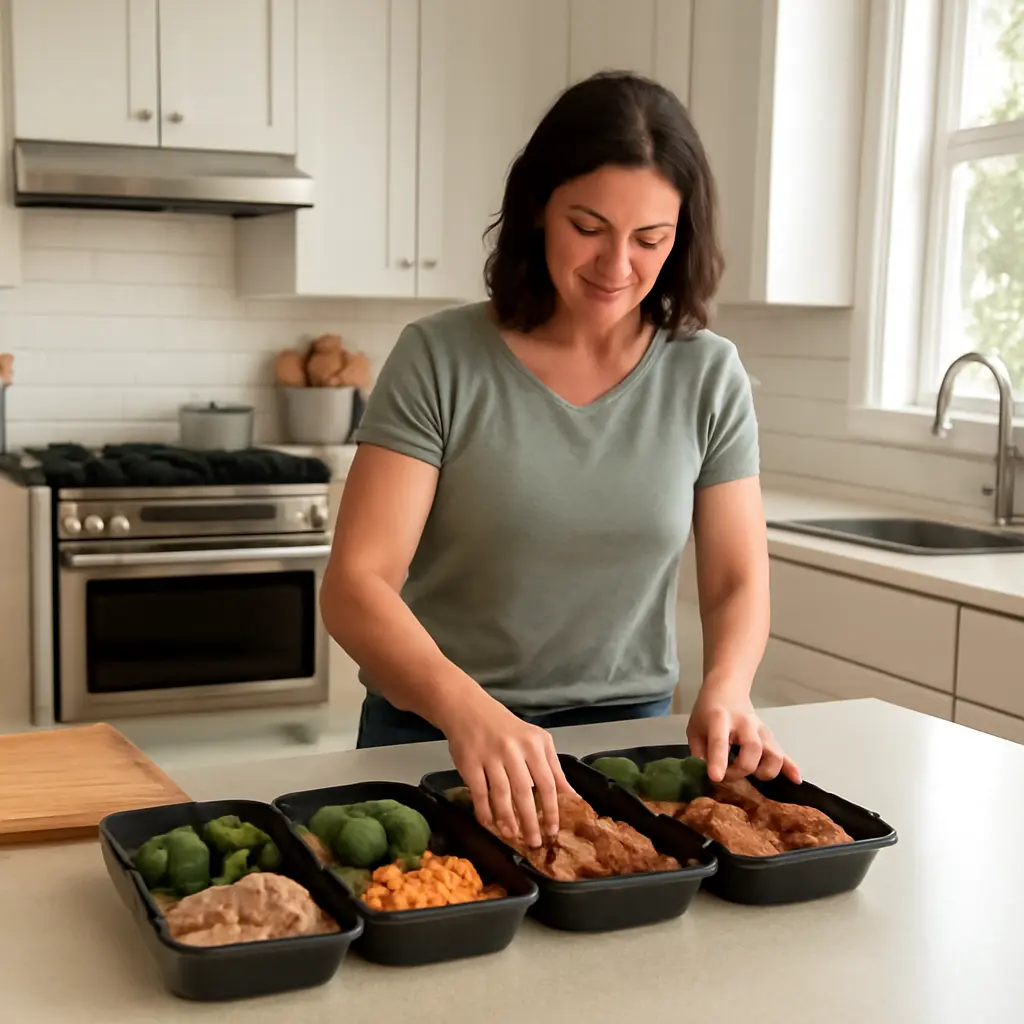
Chicken wings can turn a meal plan from a list of sides into a satisfying, flexible main dish. Here, “wings” means chicken wing portions—often sold as drumettes and flats—while a meal plan is a practical arrangement of meals and portions. Planning wings deliberately helps balance protein, vegetables, grains, flavor, and food safety rather than treating the chicken as an occasional extra. The USDA reports that a 3-ounce serving of cooked, skinless chicken breast provides about 26 grams of protein; wings are a different, often fattier cut, so portion size and cooking method matter. With a few simple choices, wings can fit weeknight dinners, meal-prep menus, and shared meals without crowding out nutritional balance.
Build a balanced meal plan around chicken wings
A balanced wing meal pairs an appropriate chicken portion with vegetables, a satisfying source of fiber-rich carbohydrates, and a sauce or seasoning that suits the meal. The USDA’s MyPlate guidance recommends making half the plate fruits and vegetables, with grains and protein making up the remainder; it also encourages choosing whole grains. That framework is useful whether wings are roasted for a family dinner or packed into a meal-prep container.
Choose a portion before choosing sides
Wings vary in size, and bone-in pieces include bone weight, so a count alone is an imprecise measure of how much meat someone eats. Use the package nutrition label and serving information to estimate portions, then round out the meal with vegetables and a grain or other filling side. For a meal-prep plan, portion cooked wings after preparation and keep sauce separate when practical; that makes servings easier to compare and helps preserve crispness.
Add vegetables and fiber-rich sides
Roasted broccoli, cabbage slaw, green beans, carrots, or a large salad bring color, texture, and fiber to a wing dinner. Brown rice, potatoes, corn, beans, or whole-grain bread can supply a substantial carbohydrate side. The Centers for Disease Control and Prevention advises adults to consume at least 22 to 34 grams of fiber daily, depending on age and sex; vegetables, beans, fruit, and whole grains help contribute toward that goal.
Use sauces and dips as planned ingredients
Sauces can add substantial sodium, sugar, or fat, depending on the recipe and serving size. Measure a portion instead of pouring freely, and offer additional sauce on the side. Try lemon, herbs, garlic, pepper, or a yogurt-based dip when you want a different flavor profile. The goal is not to label a sauce as “good” or “bad,” but to account for it as part of the meal.
Choose wing preparation to suit the meal plan
Preparation changes a wing’s texture, convenience, and overall meal composition. Baking, grilling, air-frying, and deep-frying are common options, but the final nutrition depends on the cut, skin, oil, coating, and sauce. The USDA’s FoodData Central provides food composition information for many chicken products, while product labels and recipe ingredients are the most useful references for a specific meal.
Baked or roasted wings for batch cooking
Oven-roasting is convenient for preparing several portions at once. Arrange wings in a single layer and cook until they reach a safe internal temperature, checking the thickest part without touching bone. Roast vegetables on another tray to make a complete dinner with minimal additional work. Refrigerate leftovers promptly in shallow containers so they cool efficiently.
Grilled wings for smoky flavor
Grilling can add char and smoky flavor without requiring a heavy coating. Cook wings over controlled heat, turning them as needed to avoid burning, and verify doneness with a food thermometer. If using a sweet glaze, apply it near the end of cooking to reduce scorching. Pair grilled wings with grilled vegetables, corn, or a bean salad for a meal that works well outdoors.
Air-fried or fried wings for different textures
Air-frying circulates hot air around the food and can create a crisp exterior with less added oil than many deep-frying methods, though results depend on the recipe and appliance. Deep-fried wings offer a familiar crisp texture but typically involve more added oil. Either way, account for coatings and sauces, and balance the plate with vegetables and a filling side rather than assuming the cooking method alone makes a meal balanced.
Make wing meal prep practical and food-safe
Wings become a reliable meal-plan component when shopping, storage, and reheating are handled deliberately. The USDA recommends cooking poultry to an internal temperature of 165°F (74°C). Its food-safety guidance also advises refrigerating perishable food within two hours, or within one hour when the ambient temperature is above 90°F (32°C). These steps help reduce the risk of foodborne illness while making leftovers useful for future meals.
Plan a short menu rotation
A simple rotation prevents wings from becoming repetitive: one night can feature roasted wings with potatoes and greens, another can use grilled wings with corn and slaw, and a third can repurpose leftover meat in a grain bowl. Keep raw poultry separate from ready-to-eat foods, and use clean utensils and boards when switching tasks. Thaw frozen wings safely in the refrigerator, in cold water changed regularly, or in the microwave—not on the counter.
Store and reheat leftovers carefully
Refrigerate cooked wings promptly in covered, shallow containers. The USDA advises using most cooked leftovers within three to four days when refrigerated at 40°F (4°C) or below. Reheat leftovers to 165°F (74°C), checking with a food thermometer. For better texture, reheat wings in an oven or air fryer and add sauce afterward; serve them with freshly prepared vegetables or a grain to rebuild the meal.
Put the wing-first meal plan into practice
A wing-centered plan does not need complicated recipes. Start with a portion, choose a cooking method, add produce and a filling side, and account for sauce. For example, a weeknight plate might combine oven-roasted wings, brown rice, and broccoli, with a measured sauce served on the side. A weekend batch could pair grilled wings with a bean-and-vegetable salad, then reserve plain leftovers for a quick lunch bowl.
The key takeaway is that wings work best as a planned protein—not an afterthought. Portion awareness, vegetable-forward sides, sensible sauce choices, and safe cooking and storage turn them into a flexible meal-planning option. Use the USDA’s MyPlate guidance and food-safety recommendations to build a rotation that fits your tastes, schedule, and household needs.
Sources: U.S. Department of Agriculture, MyPlate, https://www.myplate.gov/; U.S. Department of Agriculture, FoodData Central, https://fdc.nal.usda.gov/; Centers for Disease Control and Prevention, “About Fiber,” https://www.cdc.gov/nutrition/php/data-research/fiber-intake.html; U.S. Department of Agriculture, Food Safety and Inspection Service, “Chicken from Farm to Table,” https://www.fsis.usda.gov/food-safety/safe-food-handling-and-preparation/poultry/chicken-farm-table; U.S. Department of Agriculture, Food Safety and Inspection Service, “Leftovers and Food Safety,” https://www.fsis.usda.gov/food-safety/safe-food-handling-and-preparation/food-safety-basics/leftovers-and-food-safety.